



Manufacturing & Quality
The Approved Specification
Stays the Production Target.
A four-stage production flow in Tianjin supports annual capacity of 320,000 bicycles, with checks focused on finding deviations before they become shipment problems.
How the relationship works. Horizon (Tangshan) Supply Chain Management Co., Ltd. operates NARVEK and coordinates the approved bicycle programme with the Tianjin production and quality-control base. Paint and other specialist facilities are identified as production partners where applicable. Verify the company identity, use the supplier-evaluation checklist or request model-specific evidence.
Production Flow
Find Problems Before the Container Closes
Incoming parts, frame condition, assembly, function and packing are checked against the confirmed order rather than a generic one-size-fits-all checklist.
Real Production & Packing Photos
See the Work Behind the Project Plan
These NARVEK team photographs show assembly work, protective packing material and carton closure. Use them to frame specific questions about your own model; they are not inspection records for a new order.
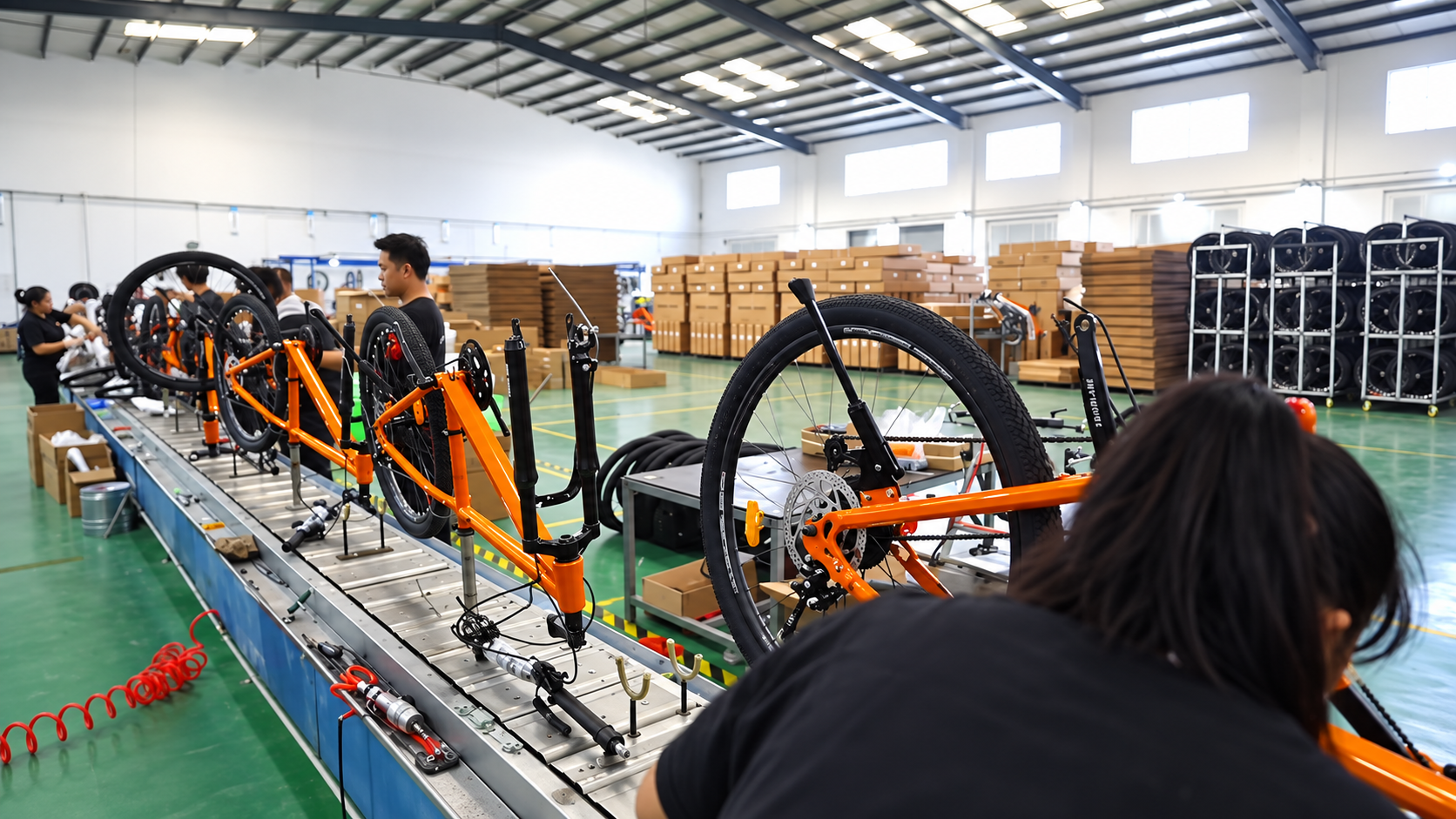
Select photo to view original ↗
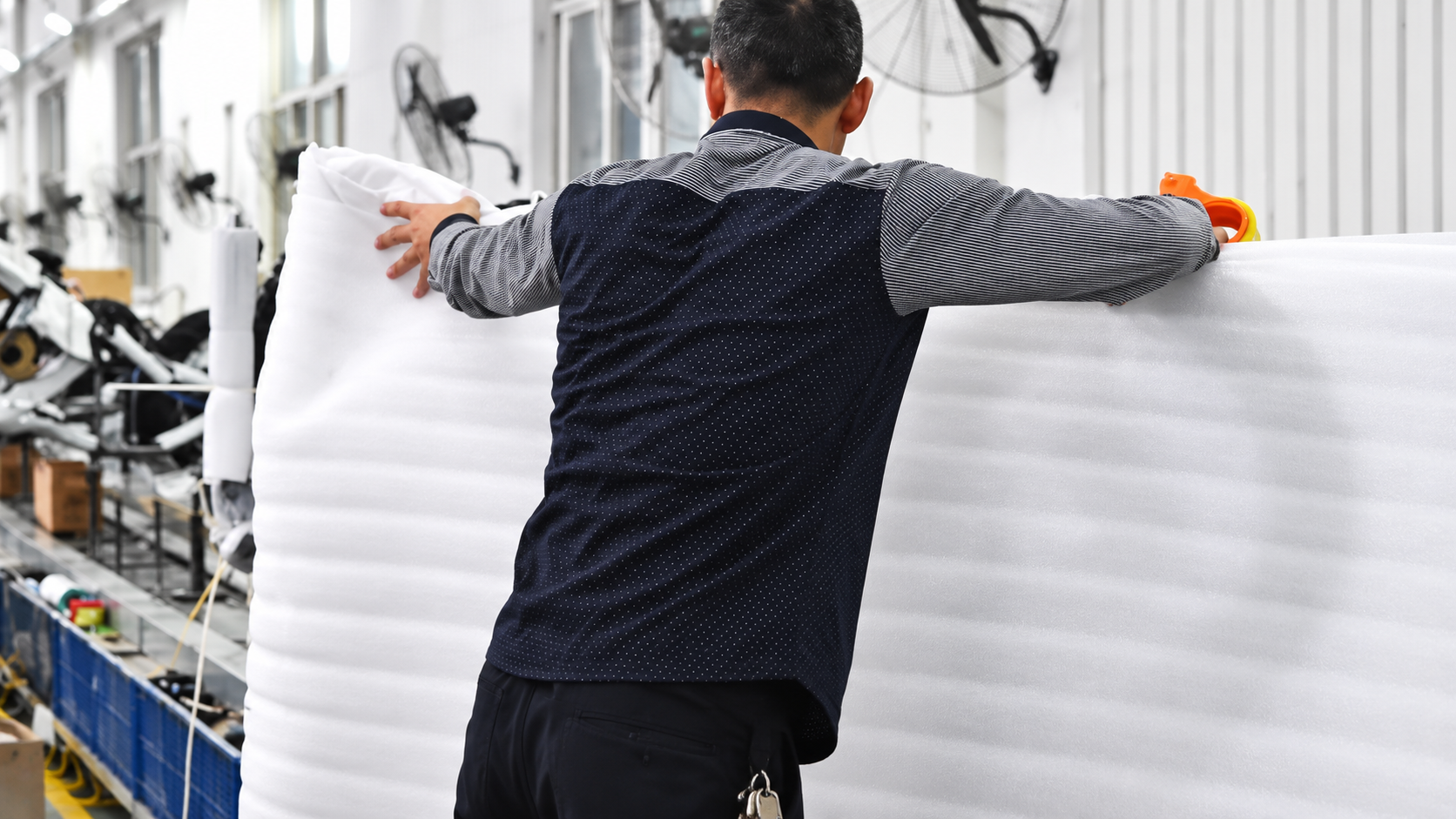
Select photo to view original ↗
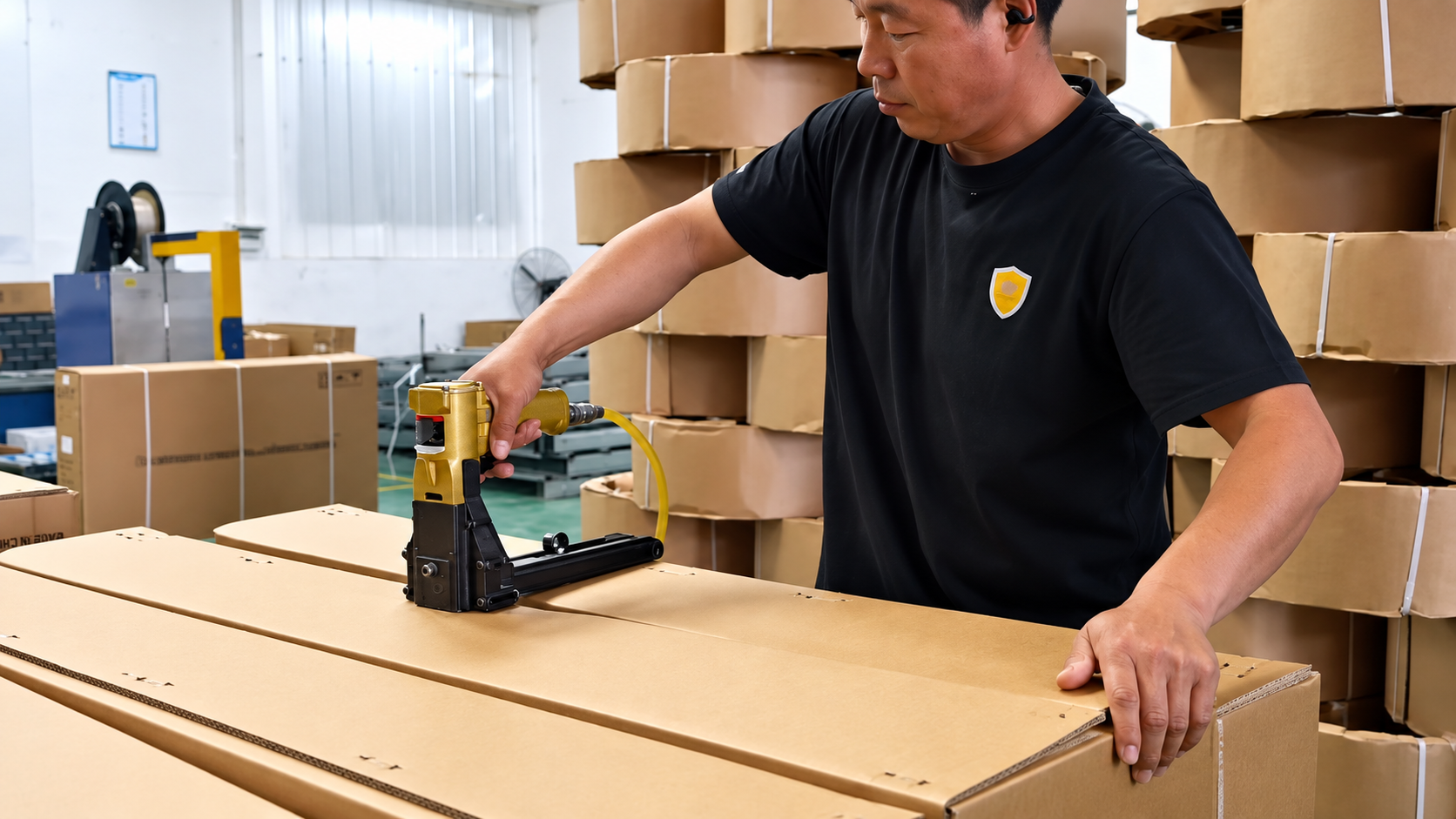
Select photo to view original ↗
The owner confirmed these are real photographs with details optimized for presentation. They do not identify an individual customer's order or imply ownership of every pictured facility.
View historical buyer evidence →From Photo to Approval Record
What to Request for Your Actual Bicycle
A production photograph helps a buyer understand the work area. Approval needs a record tied to the chosen model, configuration and packaging revision. Ask for these items before treating a packing scene as evidence for your own order.
Match the model code, approved component list and sample photos. Ask which assembly and function checks apply to this configuration, who records exceptions and how changes are approved.
Request photos of the actual packed sample showing protection at exposed parts, the accessory and manual placement, and any components removed or secured for transport. Agree the packing version in writing.
Match carton identification, the packing list and the destination-market label and document plan to the approved model revision. Request the project-specific inspection and packing records; these gallery photos do not provide them.
For a full release sequence, use the pre-production approval checklist. EU importers should also check the applicable product identification, importer information and instructions against the EU General Product Safety Regulation for the exact product and market; no photograph establishes compliance.
Complete-Bicycle Packing Review
Turn the Packing Photos into a Model Decision
The photographs above show real working stages, not the packed sample for your order. For your own-brand bicycle range, choose a reference model and agree what must be visible before its carton is closed. These are questions for sample approval, not claims that a pictured bike passed them.
Confirm the assembly state for the complete hardtail. Ask how the frame finish, fork, brake parts and drivetrain are protected, and which parts or accessories are secured separately. Request photos of the approved packed sample before the carton is sealed.
Confirm the selected wheel and tyre package against the actual carton plan. Ask how contact points and painted surfaces are separated and whether the packed bicycle fits the agreed carton without forcing components. Confirm this on the chosen sample rather than inferring it from tyre width.
Agree the position of the drop bar, wheels and other parts in the carton. Ask for clear views of protection at the frame finish and exposed drivetrain and brake areas. Record any assembly required by the destination dealer or buyer.
Check the folded position and restraints on the approved sample. Request the measured packed dimensions, protection at folding contact points and a list of loose items. A folded product photo alone does not establish the packed condition.
For any model, pair the open-carton photos with the approved model and packing revision, included-parts list, manual and label plan, and a closed-carton view showing the agreed marks. Record unanswered points before approving the packing sample. For EU sales, review the applicable product identification and instructions with your compliance adviser; the EU General Product Safety Regulation is one source to check for the exact product and market.
Paint & Surface Finish
Colour Approval Stays Close to Production
A dedicated paint-and-finish partner operates next to the production site, giving our project team direct access to colour matching, surface preparation, spraying and curing. This keeps finish decisions connected to the approved sample without presenting a separate supplier as an owned facility.

Quality Control
Quality Control Follows the Risk
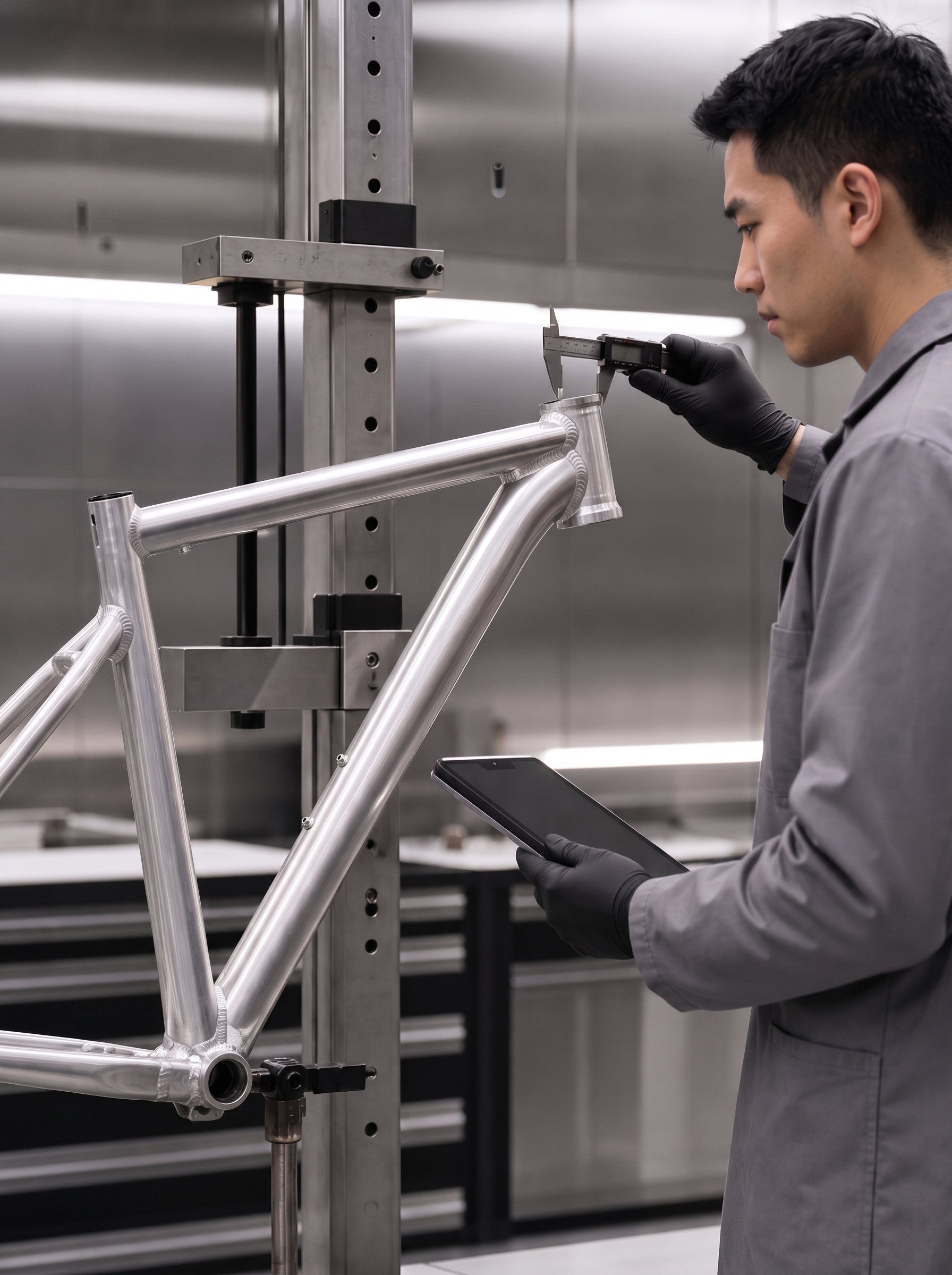
A mechanical bicycle and an e-bike do not carry the same failure risks. Inspection points are adjusted to the approved frame, component package and electrical system.
Project Records
A Repeat Order Should Not Restart the Conversation
Confirmed specifications, artwork and packing requirements stay connected to the model so repeat orders can be reviewed against the same reference.
Frame, components, e-drive system, colour and packaging requirements linked to the confirmed model.
Defined checks and findings organised around the production stage and agreed project requirements.
Labels, manuals, battery documents, packing details and order information prepared for the destination.
