


Ask for exact component identities, service documents and frame-specific replacement parts for the proposed build revision. Then have a dealer check which items it can identify and service. A reference sheet naming a component family is a starting point; it is not a confirmed spare-parts catalogue for the bike you will order.
This guide is for importers, distributors and private-label product managers planning after-sales support for the HT-13 29-inch hardtail or FS-02 27.5-inch full-suspension reference. The earlier first-sample comparison helps choose which platform to evaluate. Here the decision is different: what must be identified so a dealer can order the right service item after a final build is approved?
Start with the final build, not the model nickname
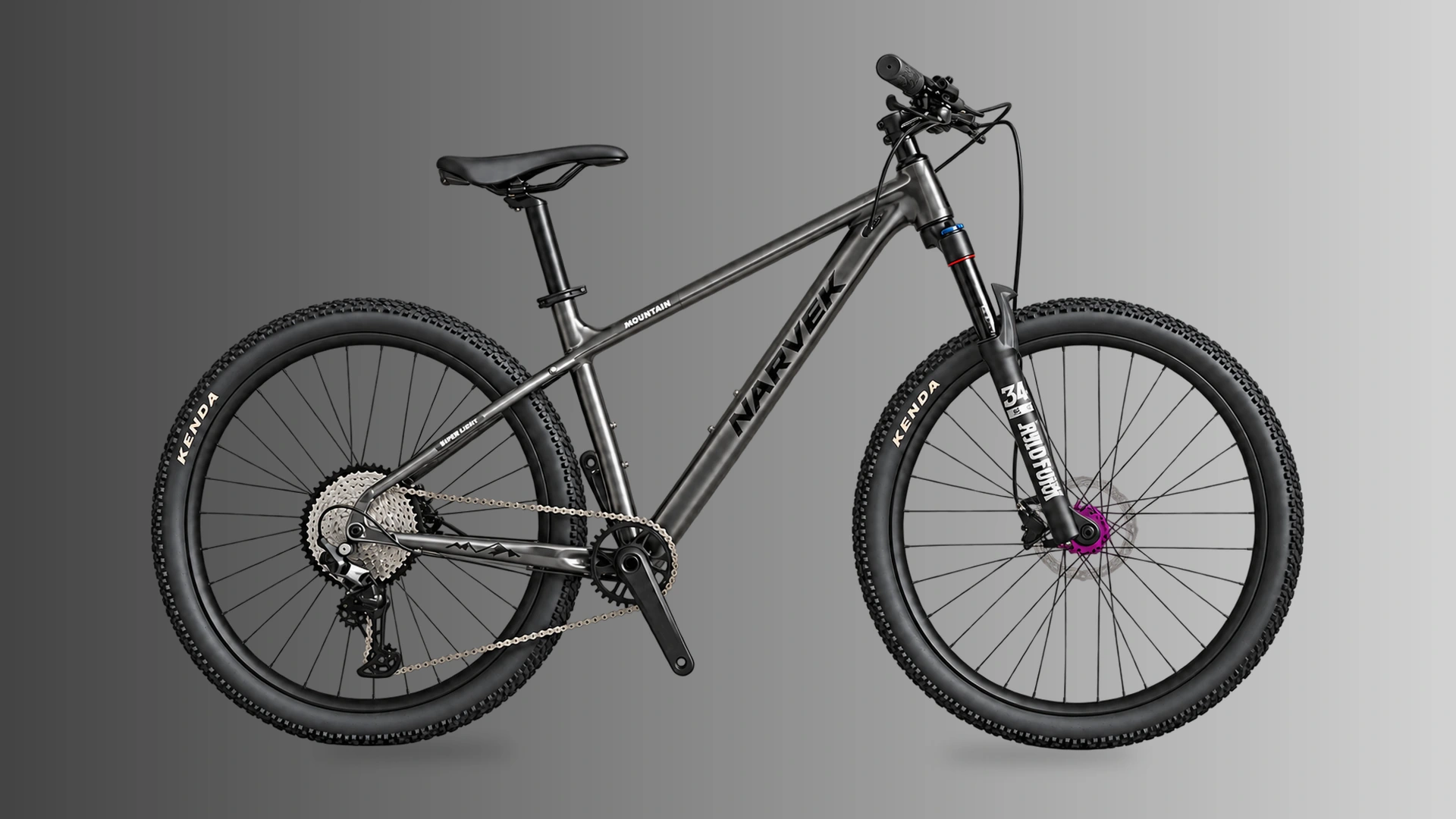
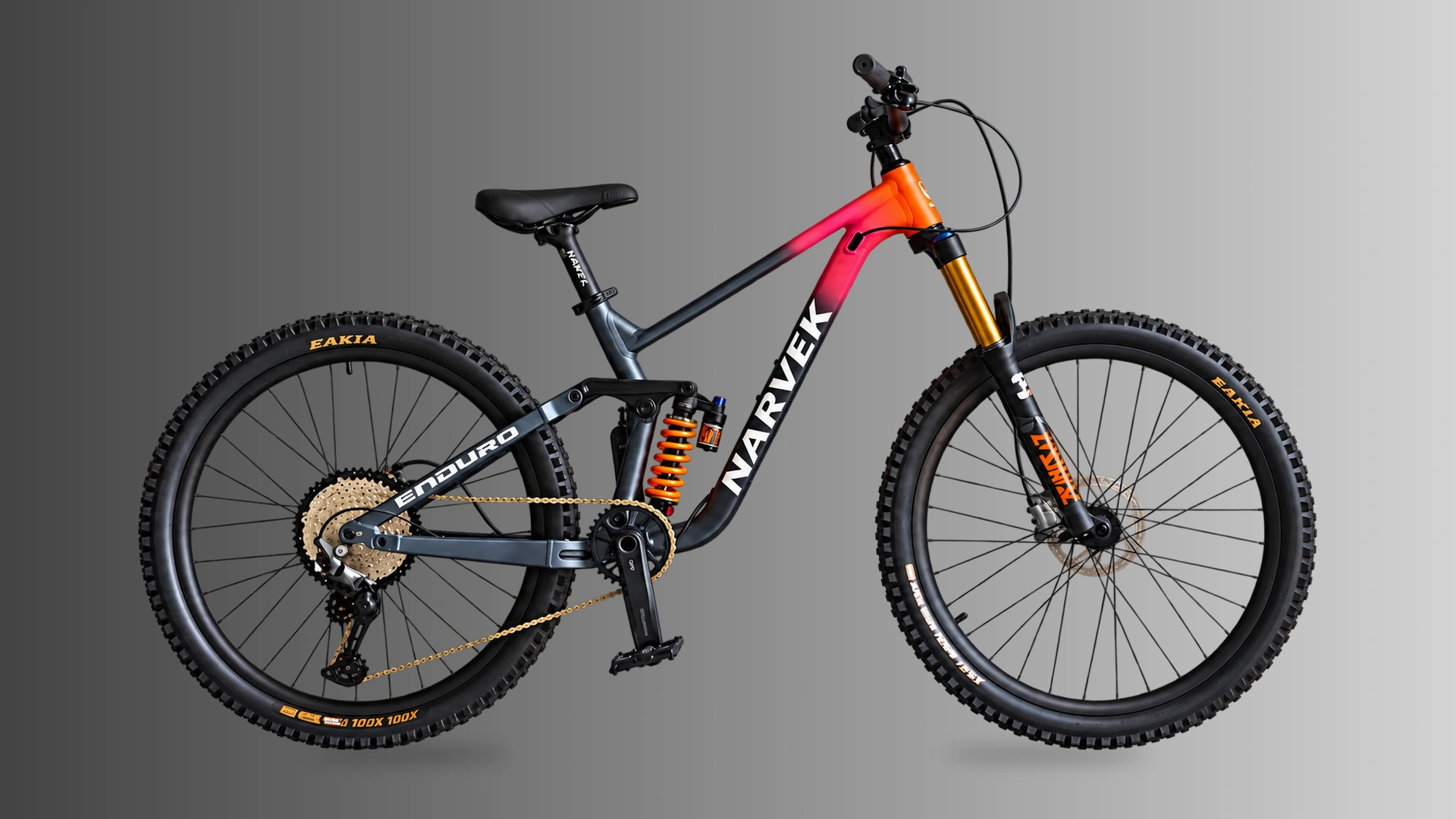
Both approved reference sheets describe starting configurations. HT-13 lists a Shimano 12-speed drivetrain reference, MT200 brake reference and air fork, but not a complete brake, rotor or fork service-parts list. FS-02 lists a 12-speed drivetrain, hydraulic brakes, rear shock and bearing pivots, while shock mounting dimensions and exact brake model remain unspecified. The final signed bill of materials must identify what was actually chosen. Do not assign replacement-part numbers from the photograph.
Component makers themselves organize service material by precise identifiers. Shimano technical documents support model-number search and distinguish dealer manuals from exploded views. SRAM's model-code guide explains why the product's model code or serial number matters when looking up service documents and spares. These are identification methods, not claims that a particular SRAM part is fitted to either NARVEK reference.
Build one checkable matrix for the dealer
| Service item | HT-13 hardtail | FS-02 full suspension |
|---|---|---|
| Frame-specific parts | Confirm derailleur hanger, axle and any replaceable frame hardware by approved frame revision. | Confirm hanger and axle, then list pivot bearings, bolts, spacers and torque/service instructions by frame revision. |
| Brakes | Record final lever/caliper and rotor identifiers, pad reference and compatible service instructions. | Record the same items for the selected hydraulic brake package; the reference sheet does not state the exact brake model. |
| Drivetrain | Identify final shifter, derailleur, cassette, chain and freehub standard rather than treating “12-speed” as a parts number. | Record the complete selected drivetrain and wheel interface; a 50T largest sprocket alone does not identify a replacement cassette. |
| Suspension | Record exact fork model, travel, axle interface and the maker's service route. | Record fork details plus shock model, size, mounting hardware and pivot-service route. These are not fully specified on the reference sheet. |
| Dealer handoff | Link the approved sample photos, BOM revision, manuals and a named contact for substitutions. | Include the same records plus the suspension hardware diagram and who handles specialist service. |
Ask the dealer to mark each row as supported, dependent on a specialist, or awaiting a part identifier. This is a planning template, not a promise of stock, warranty, compatibility or service capacity. Have a qualified mechanic follow the final component maker's instructions.
Use the sample to close gaps before the order
- Freeze the exact build revision. Tie component labels and frame hardware photos to the proposed sample, not merely the catalogue model name.
- Check one replacement route. For each critical wear or frame-specific item, request the manufacturer's identifier or a documented approved alternative. Record who will confirm compatibility.
- Resolve the dealer exceptions. If shock or pivot service needs a specialist, decide who will provide it before describing the bike as dealer-ready.
- Control changes. A substituted brake, hub, fork or shock can change the service matrix. Update the BOM and dealer handoff when an approved part changes.
The pre-production approval checklist covers the broader sample, QC and packaging release. This spares brief is one supporting record within that process. It does not establish compliance, test results or commercial availability.
Send a service-ready RFQ brief
We are evaluating [HT-13 or FS-02] for [selling country and channel]. Our dealers can service [capability] and need support for [items]. Please identify the proposed build revision and exact frame, brake, drivetrain, wheel and suspension components; provide available part identifiers and service documents; and mark any items that still require confirmation on the physical sample. Include who approves substitutions before quotation and production release.
Attach your preferred market, size mix and dealer support scope. NARVEK can then answer against a defined reference instead of assuming that a component family name is enough.
