



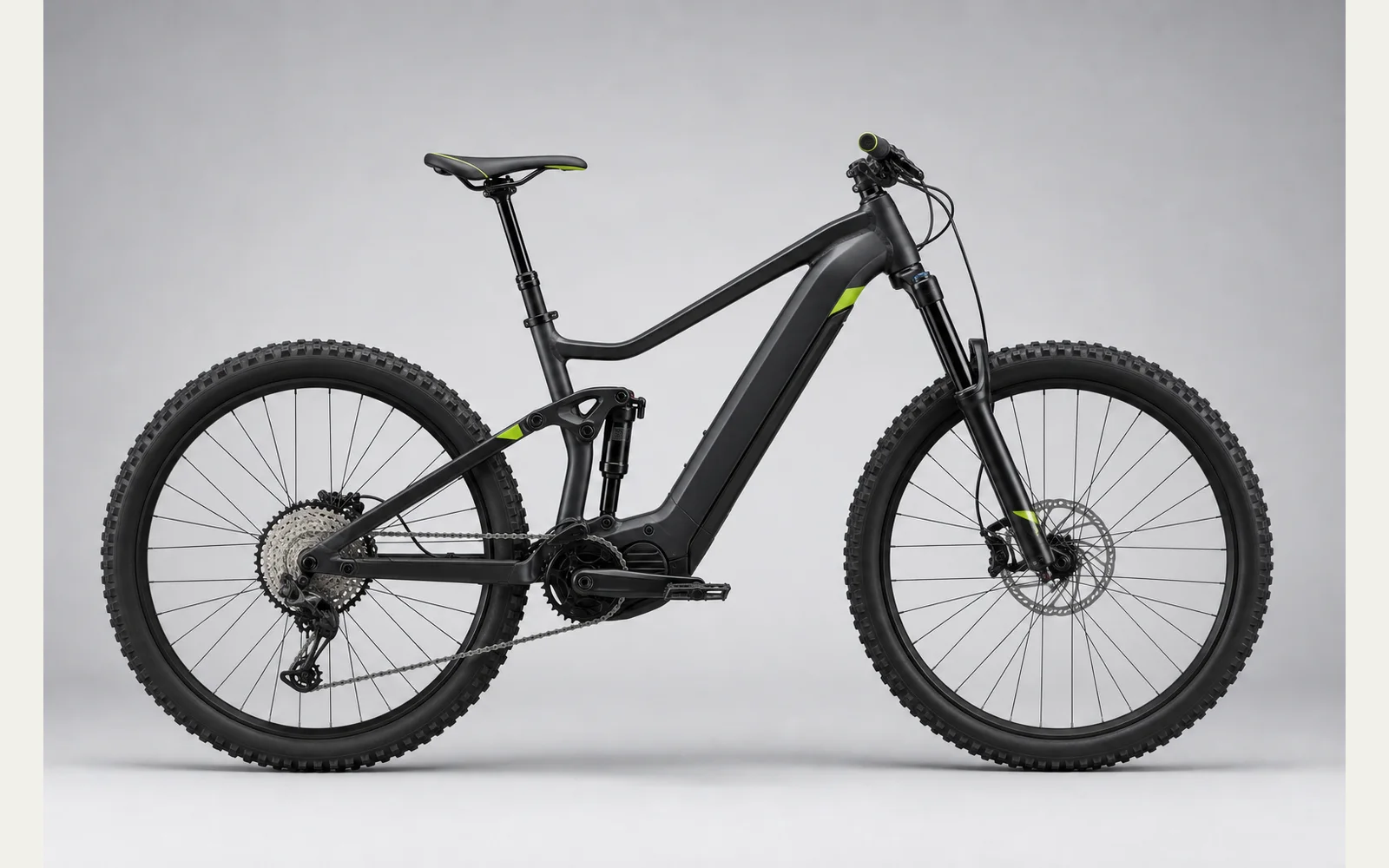
The largest torque number or battery capacity is not automatically the best commercial choice. More output can add cost, weight and service complexity. The right system is the one that performs consistently for the intended rider and can be supported in the destination market.
1. Start with the riding scenario
Document the terrain, gradient, rider weight, cargo, ride duration, weather and expected assistance level. An electric mountain bike used on steep trails has different needs from a lifestyle fat bike used on flat coastal routes.
2. Understand what torque means
Torque affects climbing support and acceleration, but software tuning, gearing, wheel size and total vehicle load also shape the riding feel. Compare complete-system behaviour rather than one headline number.
- Steep terrain and heavier loads may justify higher torque.
- Urban or recreational riders may value smooth delivery and efficiency more.
- Motor choice should remain compatible with the frame, drivetrain and braking package.
3. Estimate battery capacity from use
Battery capacity influences range, weight, cost and packaging. Real range changes with terrain, rider input, assistance mode, tyre pressure, temperature and load, so communicate range carefully.
Plan battery access, locking, charging, storage and replacement at the same time as capacity.
4. Evaluate integration and serviceability
Check how the motor, battery, display, controller and sensors connect. Consider diagnostics, cable routing, water protection, replacement procedures and access to service parts.
A system that is technically impressive but difficult to diagnose locally may create long-term cost for the distributor.
5. Plan documents and market requirements
Destination-market rules, product testing, battery records and transport preparation should be reviewed before system approval. Requirements change by market and product, so importers should verify the current obligations with qualified local advisers.
6. Protect the price architecture
The electric system often represents a large share of product cost. Decide where motor performance, battery capacity, suspension and component level create the clearest customer value. Avoid spending on numbers that the target rider may not need.
Questions to send your supplier
- Which rider and terrain profile is this system designed for?
- What diagnostic and service support is available?
- Which battery documentation and transport records can be supplied?
- What are the replacement and spare-parts options?
- How does the system affect frame design, weight and component compatibility?
